

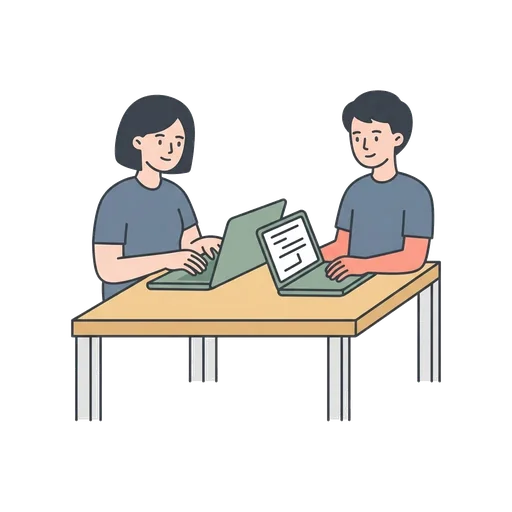
Body doubling
Work alongside someone else
Try: a friend, a call or a study stream
Break it down
Make the first step tiny
Try: "open the document" counts as a step

Two-minute start
Commit to just two minutes
Momentum often carries you on
Timers
Short sprints with breaks
Try: 20 minutes on, 5 minutes off
Remove distractions
Phone away, one tab open
Try: phone in another room
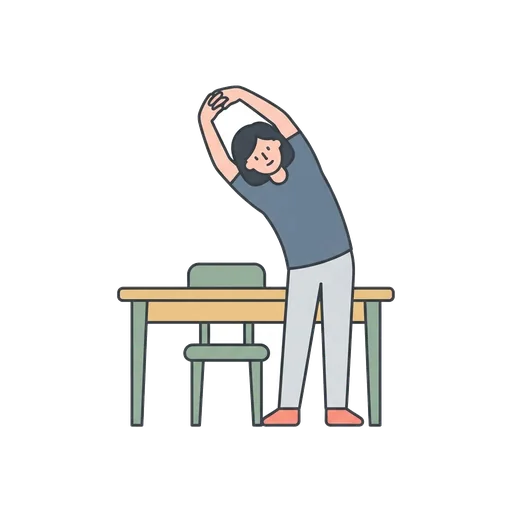
Movement breaks
Move to reset attention
Try: a walk, a stretch, a glass of water
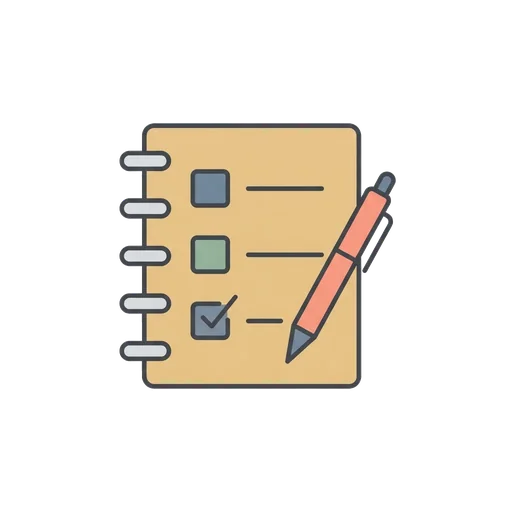
Externalise it
Write it down, every time
Try: one capture list, always with you

Launch pad
One spot for keys, wallet and bag
Try: a tray by the door
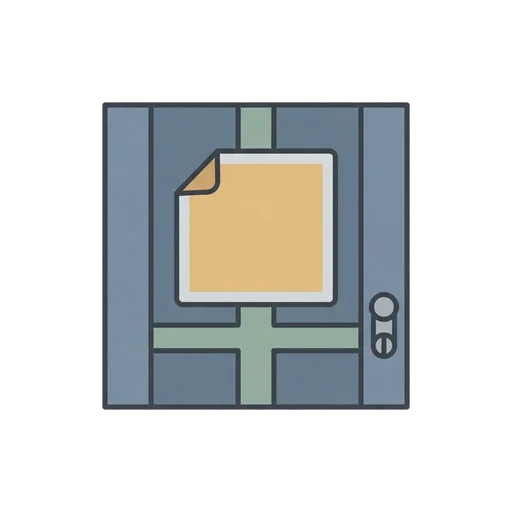
Visual reminders
Put it where you'll see it
Try: a sticky note on the door
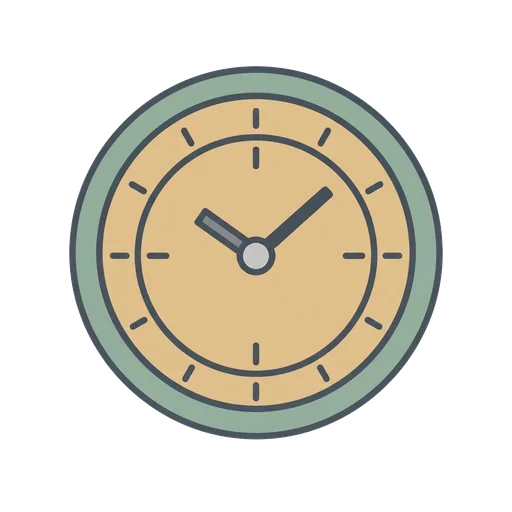
Visible clock
See time passing
Try: an analogue clock in view
Transition alarms
Warnings before you switch
Try: alarms at 10 and 2 minutes
Done list
Track what you finished
Counters "I did nothing today"
Adult ADHD strategy cards
Getting startedStaying focusedRememberingTime
Based on Safren, Sprich, Perlman & Otto (2017), Mastering Your Adult ADHD, 2nd ed.

Starting tasks
Getting going, especially when bored
Planning
Seeing the steps ahead
Prioritising
Knowing what matters first
Time awareness
Feeling how long things take
Working memory
Holding information in mind

Sustained attention
Staying with a task

Emotional regulation
Managing frustration and overwhelm
Organisation
Keeping things where you can find them

Switching tasks
Moving from one thing to the next
Impulse control
Pausing before acting

Motivation
Getting going without a deadline
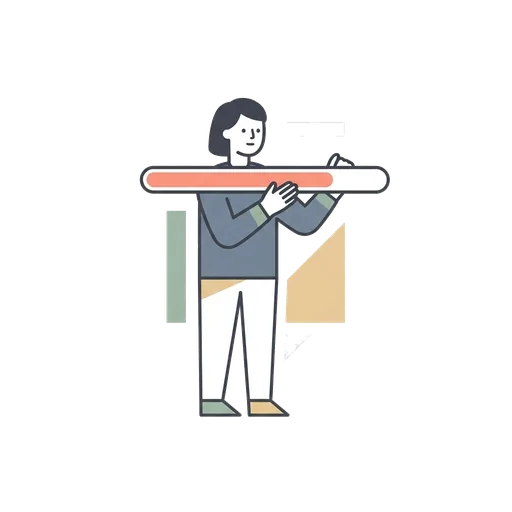
Self-monitoring
Noticing how it's going
Adult ADHD strategy cards: Executive function areas
Based on Safren, Sprich, Perlman & Otto (2017), Mastering Your Adult ADHD, 2nd ed.
More free printables
- Feelings chart for teens and adults
 Anxious
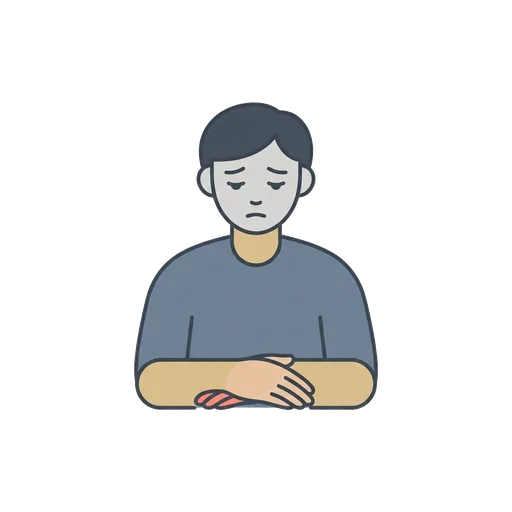 Low
 Irritable
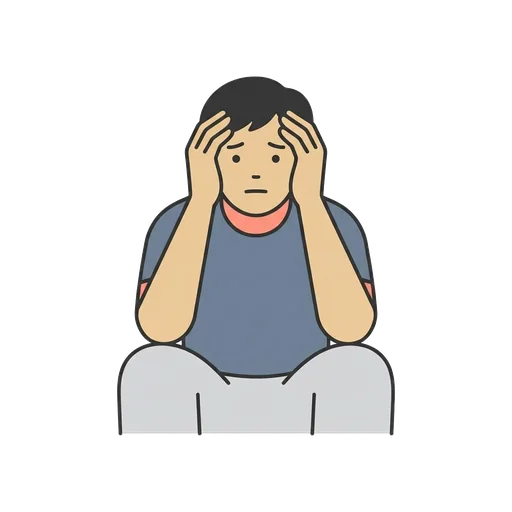 Stressed
 Calm
 Content
 Hopeful
 Numb
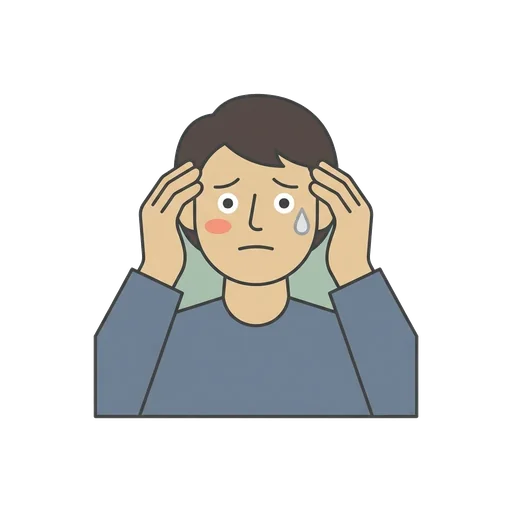
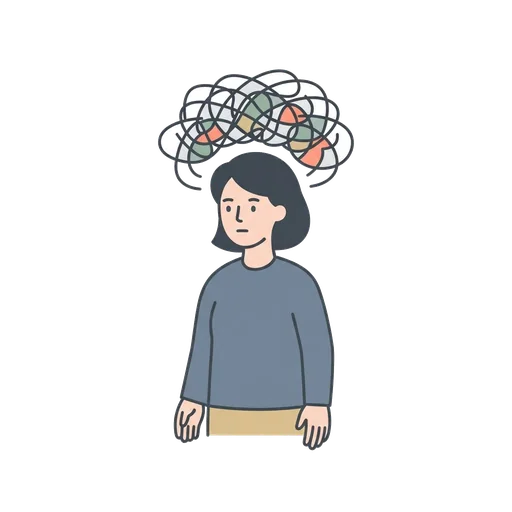 Overwhelmed
 Ashamed
 Lonely
 Tired
- Anxiety scale for teens and adults
How big is my feeling?
1Calm2 Uneasy3Anxious4
 Very anxious5Overwhelmed
- CBT thinking traps cards
 CatastrophisingExpecting the worst will happen
 Mind readingAssuming I know what others think
 Fortune tellingPredicting it will go badly
 All-or-nothingOnly extremes, no middle ground
 Should statementsRigid rules for me or others
 LabellingOne mistake becomes "I'm a failure"
 OvergeneralisingOne bad thing means it always happens
 Mental filterNoticing only the negatives
 Discounting positivesGood things "don't count"
 Emotional reasoningI feel it, so it must be true
 PersonalisingBlaming myself for things outside my control
 BlamingIt's all someone else's fault
- Challenge a thought: CBT steps1
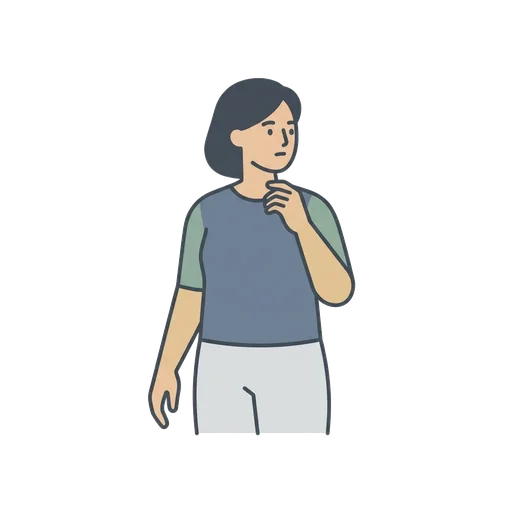 Notice the situation2Adding picture…
 Name the feeling3
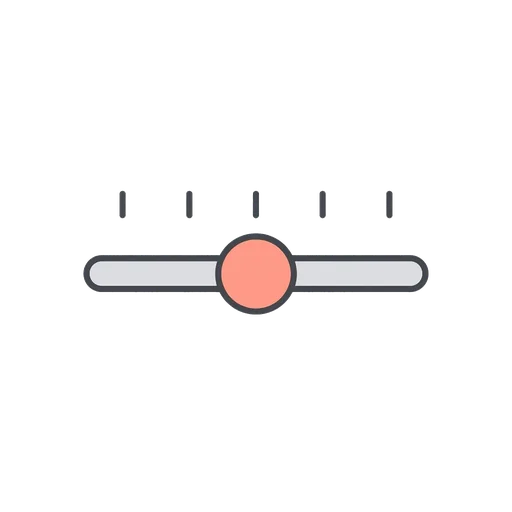 Rate it 0–104
 Catch the thought5
 Check the evidence6
 Balanced thought7
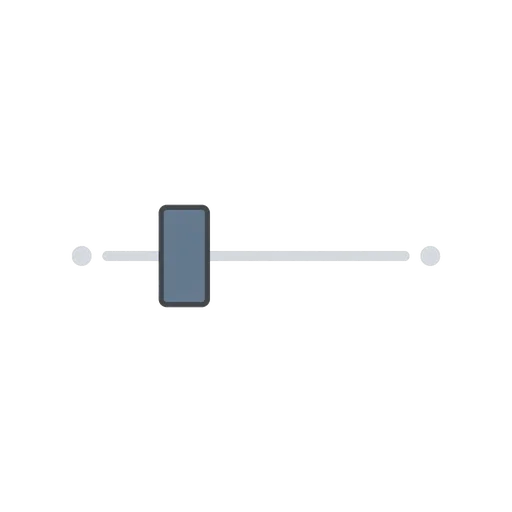 Re-rate it8
 Next step